
Reasons to Upgrade Your Electrical Panel for Your Home
Is your home’s electrical system struggling to keep up with modern demands? Upgrading your electrical panel can enhance safety, increase capacity, and improve energy efficiency. This article will explore the key reasons to consider a panel upgrade, including: 1. Signs that indicate your current panel needs replacement 2. Safety improvements offered by new panels 3. How to address capacity issues in older systems By understanding these factors, you’ll be better equipped to make an informed decision about upgrading your home’s electrical panel.
Understand the Benefits of Upgrading Your Electrical Panel
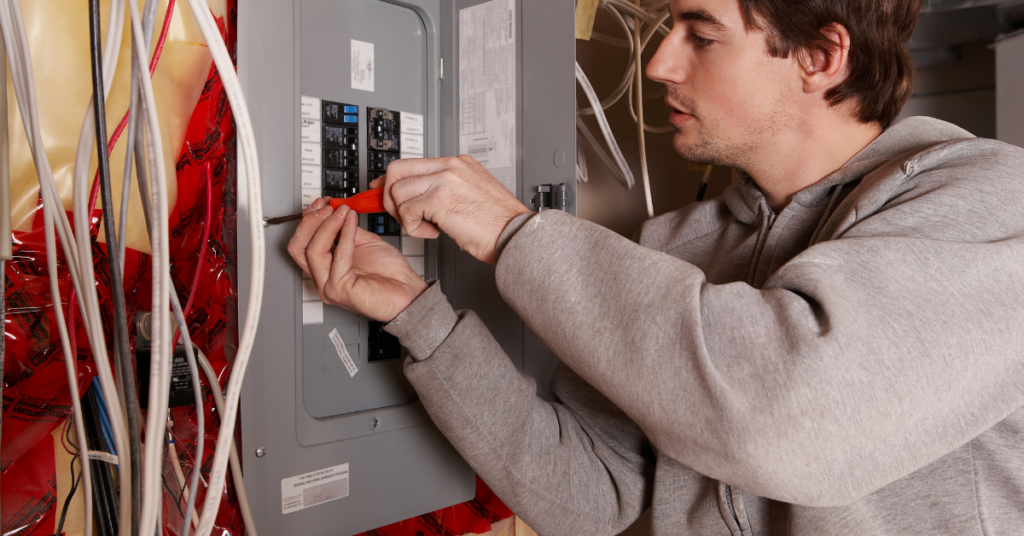
Upgrading an electrical panel offers numerous benefits for homeowners in Connecticut. Modern panels improve safety, enhance energy efficiency, and accommodate new appliances. An upgraded system can boost home value, reduce power disruptions, and ensure code compliance. Markel Electric’s electricians, design systems that blend science and practicality for optimal performance.
Learn How an Updated Panel Improves Safety in Your Home
An updated electrical panel significantly enhances home safety by incorporating modern protective features. These advanced panels include ground fault circuit interrupters (GFCIs) and arc fault circuit interrupters (AFCIs), which detect potential electrical hazards and prevent fires. According to the Bureau of Labor Statistics, homes with updated panels experience fewer electrical accidents, making them safer for families and reducing the need for emergency electrician services. Licensed residential electricians emphasizes the importance of these safety upgrades, ensuring that professionals can implement them effectively in homes.
- Improved circuit protection
- Enhanced fire prevention capabilities
- Better overall electrical system reliability
- Compliance with current safety standards
- Reduced risk of electrical accidents
Discover Energy Efficiency Improvements With Modern Panels
Modern electrical panels offer significant energy efficiency improvements, benefiting both residential customers and the environment. Experienced electricians in Litchfield County install these advanced panels as part of comprehensive residential electrical wiring upgrades. These systems optimize power distribution, reducing energy waste and lowering utility bills. Customers often experience a noticeable decrease in energy consumption after upgrading to a modern panel, contributing to a more sustainable home:
- Improved power factor correction
- Enhanced load balancing capabilities
- Integration with smart home technologies
- Support for renewable energy sources
- Real-time energy monitoring features
Explore How Upgrades Accommodate New Appliances and Devices
Upgrading an electrical panel enables homeowners to accommodate new appliances and devices with higher power requirements. Modern panels provide increased capacity and more circuits, allowing for the safe installation of energy-intensive equipment like electric vehicle chargers or advanced HVAC systems. This upgrade also supports the integration of smart home technologies, enhancing energy management and control.
Recognize How an Upgraded System Boosts Home Value
An upgraded electrical system significantly boosts home value, attracting potential buyers and increasing property appraisals. Residential electricians in Connecticut report that homes with modern electrical panels command higher prices in the competitive real estate market.
Identify How Better Panels Reduce Power Outages and Disruptions
Modern electrical panels significantly reduce power outages and disruptions, ensuring a more reliable electrical supply for residential properties. These advanced systems incorporate sophisticated circuit breakers and load management features. Residential electrical experts understand how upgraded panels enhance system stability, minimizing the risk of overloads and unexpected shutdowns.
Assess the Importance of Code Compliance With Upgrades
Upgrading an electrical panel ensures compliance with current electrical codes, a crucial aspect for homeowners and professionals alike. Electricians understand that code compliance not only enhances safety but also simplifies future renovations or home sales. In many zip codes, local regulations require updated panels for certain permits, making compliance essential for those pursuing home improvements.
Evaluate Signs Indicating the Need for Panel Replacement
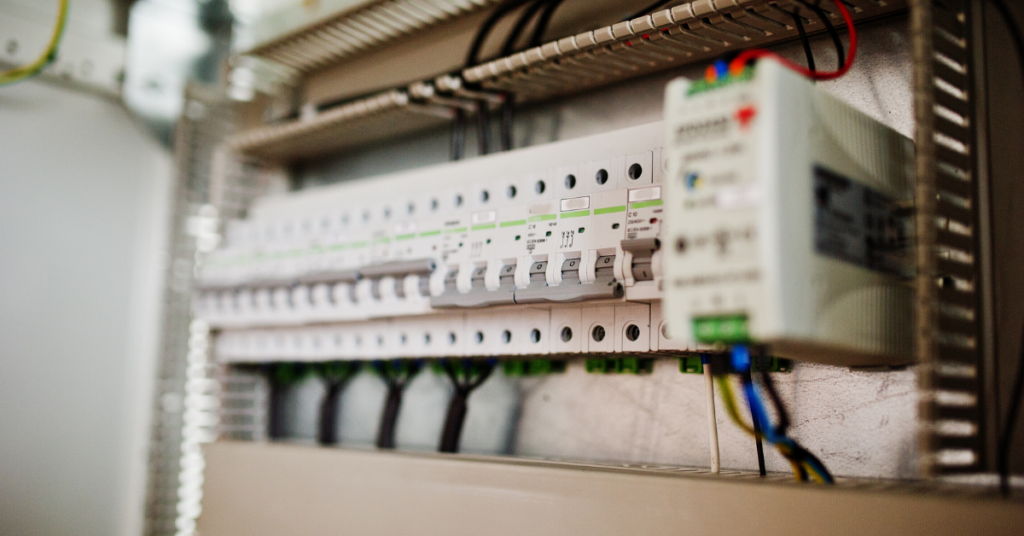
Recognizing signs that indicate the need for electrical panel replacement is crucial for homeowners. This section examines key indicators such as frequent tripped breakers, discolored outlets, flickering lights, and outdated panels. It also explores other warning signs and reviews expert recommendations regarding panel age. Understanding these signals helps homeowners maintain a safe electrical system and potentially avoid costly repairs..
Check for Frequent Tripped Breakers as a Warning Sign
Frequent tripped breakers serve as a clear warning sign that an electrical panel may need replacement. When homeowners consistently experience circuit breakers shutting off power to certain areas of their home, it indicates an overloaded system struggling to handle the electrical demand. This issue often arises when using high-energy appliances like water heaters or air conditioning units. Electricians recommend documenting these occurrences in a log to help diagnose the problem. If tripping persists after resetting breakers, it’s crucial to consult a certified professional who can assess the need for an upgrade and ensure the home’s electrical system meets current safety standards:
- Monitor frequency of tripped breakers
- Document occurrences and affected appliances
- Consult a certified electrician for assessment
- Consider upgrade options for improved capacity
- Ensure compliance with safety standards
Look for Discolored Outlets or Electrical Devices
Discolored outlets or electrical devices serve as critical indicators of potential electrical panel issues in homes across Northwest Connecticut. The United States Department of Labor emphasizes the importance of addressing these signs promptly to ensure occupational safety and health. Electricians specializing in renewable energy systems often encounter discolored components during inspections, which can signify overheating or electrical faults. Homeowners should be aware that such discoloration may impact their property’s value. Regular checks for these warning signs can prevent more serious electrical problems:
| Sign | Potential Issue | Action Required |
|---|---|---|
| Discolored Outlets | Overheating | Immediate Inspection |
| Burned Smell | Electrical Fault | Professional Assessment |
| Melted Plastic | Severe Overload | Panel Replacement |
Analyze How Flickering Lights Signal Electrical Issues
Flickering lights often signal underlying electrical issues that may necessitate panel replacement. According to recent statistics, homes with outdated electrical infrastructure experience a higher incidence of flickering lights, which can indicate overloaded circuits or loose connections. Electricians recommend implementing a comprehensive inspection program to identify these problems early, as persistent flickering can lead to increased heat generation within the electrical system, potentially compromising the home’s safety.
Understand Why Outdated Panels Can Be Dangerous
Outdated electrical panels pose significant safety risks in residential properties. Older systems lack modern safety features, increasing the likelihood of electrical fires and system failures. Electricians warn that outdated panels may struggle to handle the power demands of contemporary appliances. These panels can overheat, potentially damaging electrical components and compromising the home’s safety. Homeowners should consult with certified professionals to assess their panel’s condition and consider upgrades to ensure a safe and efficient electrical system.
Investigate Other Signs Like Noises From the Panel
Homeowners should be alert to other signs indicating the need for electrical panel replacement, particularly unusual noises emanating from the panel. Buzzing, humming, or crackling sounds can signify loose connections, overheating, or arcing, all of which pose significant safety risks. These issues may affect the performance of essential home systems, including refrigeration units. Residents in Connecticut should prioritize panel inspections to ensure their homes remain safe and functional:
| Sound | Potential Issue | Action Required |
|---|---|---|
| Buzzing | Loose Connections | Immediate Inspection |
| Humming | Overheating | Professional Assessment |
| Crackling | Electrical Arcing | Urgent Panel Evaluation |
Review the Recommendations From Electricians Regarding Age
Experienced electricians recommend evaluating electrical panels based on age, as older systems may lack essential safety features and struggle to meet modern power demands. In Litchfield County, certified professionals emphasize the importance of regular panel inspections, especially in historic village homes where outdated wiring poses increased risks. Management of electrical systems includes assessing panels over 20-30 years old for potential replacement, ensuring they can handle current information technology and appliance loads efficiently:
| Panel Age | Recommendation | Reason |
|---|---|---|
| 0-10 years | Regular inspection | Maintain efficiency |
| 10-20 years | Detailed assessment | Check for wear and capacity |
| 20+ years | Consider replacement | Safety and performance concerns |
Consider Safety Enhancements With New Electrical Panels
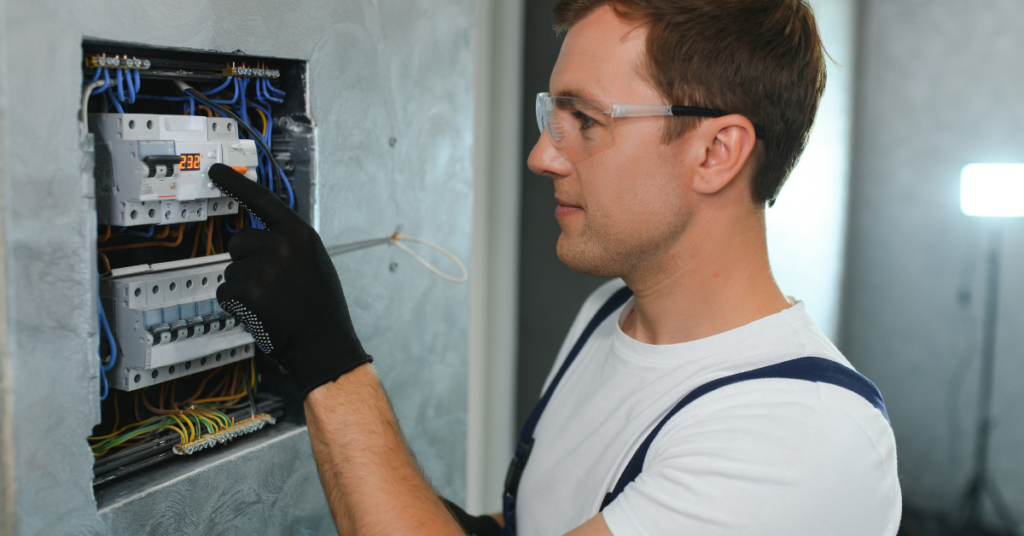
New electrical panels offer significant safety enhancements for homes. Modern circuit protection features, including GFCI and AFCI breakers, effectively mitigate electrical fire risks. These upgrades, installed by skilled electricians who have completed apprenticeships, ensure compliance with current regulations. Professional installation and routine maintenance of new panels, combined with improved lighting and energy efficiency, create a safer electrical system for homeowners.
Examine Improved Circuit Protection Features Available Today
Modern electrical panels offer advanced circuit protection features that significantly enhance home safety. Residential electricians install Ground Fault Circuit Interrupters (GFCIs) and Arc Fault Circuit Interrupters (AFCIs) to provide comprehensive protection against electrical shocks and fires. These intelligent devices continuously monitor the electrical current, instantly shutting off power when they detect abnormalities, ensuring the safety of homeowners and their valuable appliances.
Note the Benefits of GFCI and AFCI Breakers for Safety
GFCI and AFCI breakers significantly enhance electrical safety in homes, providing protection against ground faults and arc faults respectively. These advanced safety features are particularly crucial in areas like Connecticut where older homes may require electrical upgrades. By installing these breakers, homeowners can improve the accessibility and safety of their electrical systems, especially in vulnerable areas such as bathrooms, kitchens, and outdoor spaces where moisture or potential arc faults pose higher risks.
Assess How a New Panel Mitigates Electrical Fires
A new electrical panel significantly mitigates the risk of electrical fires in homes. Modern panels, designed with advanced engineering principles, incorporate sophisticated safety features that detect and prevent potential fire hazards. The advanced technology in new panels also supports the integration of welding equipment and other high-powered tools, ensuring safer operation:
- Advanced circuit breakers detect overloads quickly
- Improved heat dissipation reduces fire risks
- Better compatibility with modern appliances and tools
- Enhanced surge protection capabilities
- Integrated safety features for specialized equipment
Identify Safety Upgrades That Meet Current Regulations
Modern electrical panels incorporate safety upgrades that meet current regulations, ensuring homes in the Litchfield Hills region comply with the latest standards. These upgrades include advanced circuit protection for solar panel installations, supporting the growing trend of renewable energy adoption. The table below outlines key safety upgrades and their regulatory compliance:
| Safety Upgrade | Regulatory Compliance | Benefits |
|---|---|---|
| AFCI Protection | NEC 210.12 | Prevents electrical fires |
| GFCI Protection | NEC 210.8 | Protects against shocks |
| Surge Protection | NEC 230.67 | Safeguards electronics |
Discuss the Role of Professional Installation in Safety
Professional installation plays a crucial role in ensuring the safety and efficacy of new electrical panels. Licensed electricians, trained according to standards set by the Bureau of Labor Statistics, possess the expertise to properly install and configure modern panels in homes across Litchfield County and beyond. Electricians ensure that safety enhancements are implemented correctly, minimizing risks and maximizing the benefits of upgraded electrical systems:
| Aspect | Professional Installation | DIY Installation |
|---|---|---|
| Code Compliance | Guaranteed | Uncertain |
| Safety Assurance | High | Variable |
| Technical Expertise | Comprehensive | Limited |
Routine maintenance complements new electrical panels by ensuring their continued safe operation and longevity. This proactive approach helps identify potential issues before they escalate, maintaining the enhanced safety features of upgraded systems and protecting homeowners’ investments.
Conclusion
Upgrading your home’s electrical panel is a crucial investment that enhances safety, improves energy efficiency, and accommodates modern power demands. By installing a new panel, homeowners can mitigate fire risks, reduce power disruptions, and ensure compliance with current electrical codes. The upgrade not only increases property value but also provides long-term cost savings through improved energy management and reduced repair needs. Consulting with licensed electricians and adhering to local regulations ensures a successful panel upgrade that safeguards your home and family while meeting the evolving electrical needs of contemporary living.