
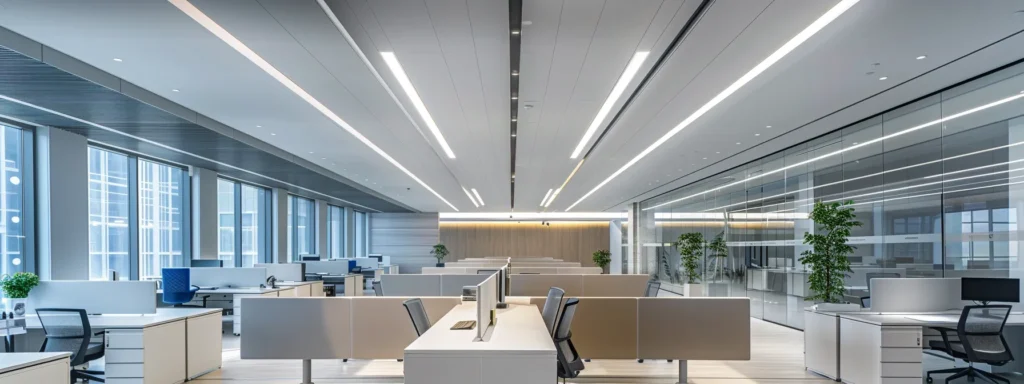
Energy-Efficient Lighting: Benefits for Every Business
Are you looking to reduce energy costs and improve your business’s environmental impact? Energy-efficient lighting offers significant benefits for businesses of all sizes. This article explores how switching to energy-efficient lighting can lead to cost savings, reduced environmental impact, and improved employee productivity. We’ll cover different types of energy-efficient lighting solutions, their impact on brand image, and provide practical tips for transitioning to these systems. By implementing energy-efficient lighting, you can troubleshoot energy waste in your warehouse, switch to smarter bulbs, and even explore radio frequency-controlled options for greater efficiency.
Explore the Cost Savings of Energy-Efficient Lighting for Businesses
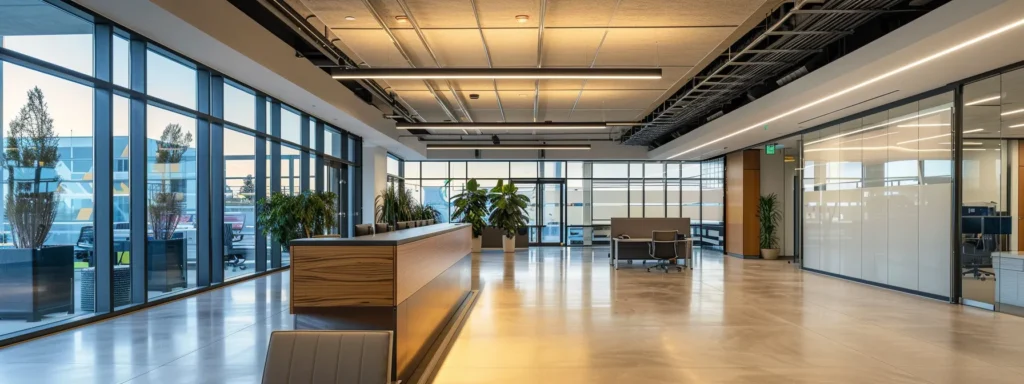
Energy-efficient lighting offers substantial cost savings for businesses. By analyzing current expenses, calculating potential returns, and considering long-term benefits, companies can make informed decisions. A licensed electrical contractor can evaluate maintenance costs and explain available incentives. This comprehensive approach to energy management helps businesses optimize their lighting systems for maximum efficiency and financial gain.
Analyze Your Current Lighting Expenses to Identify Savings
To identify potential savings, businesses should conduct a thorough analysis of their current lighting expenses. This process involves examining energy bills, cataloging existing fixtures, and evaluating the performance of current lighting systems. A qualified electrical contractor can assist in this assessment, ensuring compliance with electrical codes and identifying opportunities for improvement. By considering factors such as Energy Star ratings, troffers, and general lighting efficiency, companies can pinpoint areas where energy-efficient upgrades will yield the most significant cost reductions.
Calculate Potential Return on Investment From Energy-Efficient Upgrades
Calculating the potential return on investment (ROI) for energy-efficient lighting upgrades involves assessing initial costs, projected energy savings, and long-term benefits. Businesses should consider factors such as reduced energy consumption, lower maintenance expenses, and improved safety ratings when evaluating their ROI. By analyzing these elements, companies can determine how quickly their investment will pay off and add value to their bottom line. A professional electrical contractor can provide accurate estimates and help customers make informed decisions about which energy-efficient solutions to add to their upgrade cart.
Consider Long-Term Financial Benefits of Reduced Energy Consumption
Businesses that invest in energy-efficient lighting can reap substantial long-term financial benefits through reduced energy consumption. By upgrading to efficient lighting systems, companies can significantly lower their electricity bills and decrease maintenance costs over time. This approach not only improves the bottom line but also enhances emergency preparedness, as energy-efficient lighting systems often include reliable exit signs and emergency lighting. Experienced electrical contractors can design lighting solutions that withstand potential flood damage and provide consistent illumination, ensuring uninterrupted operations even during power outages.
Evaluate Maintenance Costs Associated With Energy-Efficient Options
Evaluating maintenance costs associated with energy-efficient lighting options is crucial for businesses seeking long-term savings. Professional electrical services can help companies assess the durability and longevity of various lighting systems, including those with sensors and advanced light switches. By considering factors such as bulb lifespan, replacement frequency, and the potential need for standby generators, businesses can make informed decisions about their lighting investments. Effective project management ensures that maintenance requirements are factored into the overall cost analysis, providing a comprehensive view of the financial benefits of energy-efficient lighting solutions.
Understand Local and Federal Incentives for Energy-Efficient Changes
Understanding local and federal incentives for energy-efficient changes can significantly reduce the initial costs of upgrading to energy-efficient lighting systems. Businesses should consult with electrical professionals to navigate available programs, which may include tax credits, rebates, or grants for implementing lighting solutions with specific brightness levels and color temperatures. These incentives often require adherence to certain voltage standards and may be contingent on passing electrical inspections. Additionally, manufacturers’ warranties on energy-efficient products can provide further financial protection, making the transition to energy-efficient lighting more attractive for businesses of all sizes.
Understand Environmental Benefits of Energy-Efficient Lighting
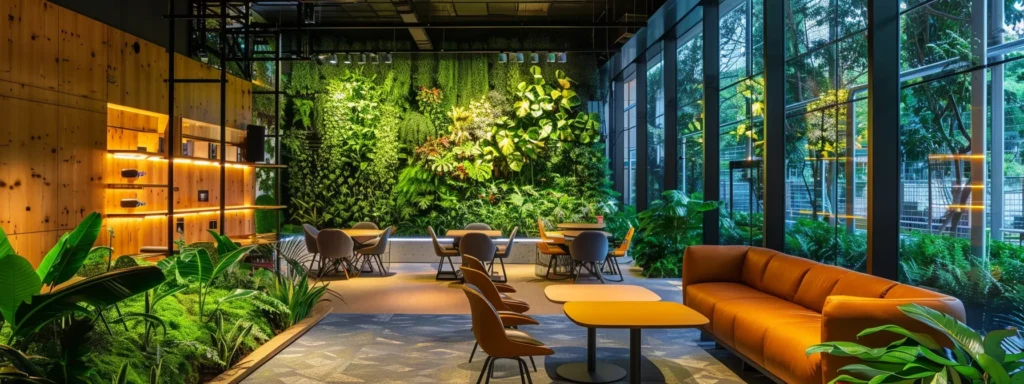
Energy-efficient lighting offers significant environmental benefits for businesses. By reducing carbon footprints, positively impacting ecosystems, and contributing to sustainability, these technologies play a crucial role in environmental conservation. Electricians can help implement flicker-free, ultraviolet-resistant lighting systems, including sconces and home automation solutions. Longer-lasting technologies minimize waste, while compliance with regulations ensures responsible business practices.
Assess the Reduction in Carbon Footprint With Efficient Lighting
Businesses can significantly reduce their carbon footprint by adopting energy-efficient lighting systems. Independent electrical contractors can assess a company’s current electric usage and recommend infrared-based sensors and LED fixtures that consume less power. These upgrades not only decrease energy consumption but also minimize heat emissions, reducing the need for additional cooling. Through expert electrical contracting services, companies can implement smart lighting solutions that automatically adjust based on occupancy and natural light levels, further optimizing energy use and demonstrating a commitment to environmental stewardship.
Learn About the Positive Impact on Local Ecosystems
Energy-efficient lighting systems have a significant positive impact on local ecosystems. By reducing energy consumption, these systems decrease the demand for electricity generation, which often relies on fossil fuels. Skilled electricians can install automation systems that minimize light pollution, benefiting nocturnal wildlife and migratory birds. Additionally, proper wire management and wall-mounted fixtures reduce the risk of electrical fires, protecting natural habitats. Businesses that invest in energy-efficient lighting through apprenticeship-trained professionals contribute to healthier local environments and demonstrate their commitment to sustainability.
Discover How Energy-Efficient Lighting Contributes to Sustainability
Energy-efficient lighting plays a crucial role in sustainability efforts for businesses of all sizes. By implementing advanced lighting solutions, such as recessed lights and LED fixtures, companies can significantly reduce their energy consumption and carbon footprint. Residential electrical professionals can assist in installing these eco-friendly options, including energy-efficient lighting for outdoor areas like hot tubs. This approach not only conserves resources but also sets an example for sustainable practices in the community, serving as a model for responsible business operations.
Examine Waste Reduction Through Longer-Lasting Technologies
Energy-efficient lighting technologies significantly reduce waste through their extended lifespans. LED bulbs, for instance, can last up to 25 times longer than traditional incandescent bulbs, minimizing the frequency of replacements and associated disposal. An electrical contractor can install wireless, remote-controlled systems that further extend the life of these fixtures by optimizing usage. While there may be an initial fee for electrical installations, the long-term benefits include reduced maintenance costs and less environmental impact from discarded materials.
Identify Compliance With Environmental Regulations and Standards
Complying with environmental regulations and standards is crucial for businesses implementing energy-efficient lighting. Licensed electricians possess the skill to ensure installations meet current codes, including those for bathroom lighting. These professionals can advise on light fixtures that not only save energy but also comply with insurance requirements. By adhering to these standards, businesses demonstrate their commitment to environmental responsibility while potentially qualifying for incentives and avoiding penalties.
Investigate Improved Employee Productivity With Better Lighting

Proper lighting plays a crucial role in employee productivity and well-being. From enhancing focus and morale to improving workplace safety, lighting impacts various aspects of the work environment. This section examines the effects of natural and artificial light, explores how lighting influences efficiency and creativity, and assesses the benefits of adjustable lighting in office spaces. Considerations for electrical panels and power supply are essential when upgrading lighting systems, even in non-traditional workspaces like barns.
Explore How Lighting Affects Employee Focus and Morale
Proper lighting significantly impacts employee focus and morale in the workplace. Energy-efficient LEDs offer adjustable brightness and color temperatures, allowing businesses to create optimal lighting conditions for different tasks and times of day. Electrical wiring updates may be necessary to accommodate these advanced systems, but the investment pays off through improved productivity and employee satisfaction. Landscape lighting can also contribute to a positive work environment, enhancing outdoor break areas and boosting overall mood. Considering the pricing of electricity and the long-term savings of efficient lighting, businesses can make informed decisions that benefit both their bottom line and their workforce:
- Improved task visibility reduces eye strain and fatigue
- Adjustable lighting supports natural circadian rhythms
- Enhanced mood and alertness lead to higher productivity
- Reduced glare on computer screens increases comfort
- Proper outdoor lighting ensures safety and aesthetics
Examine the Correlation Between Lighting and Workplace Safety
Proper lighting plays a crucial role in workplace safety for businesses of all sizes. Energy-efficient lighting systems provide better visibility, reducing the risk of accidents and improving overall safety conditions. This is particularly important in areas where standby generators may be necessary, as proper illumination ensures safe operation and maintenance of emergency power systems. The color and quality of light also impact employee alertness and decision-making, further enhancing workplace safety. Businesses investing in generator installation should consider integrating energy-efficient lighting solutions to create a safer, more productive work environment.
Analyze the Effects of Natural Light Versus Artificial Lighting
Natural light offers numerous benefits for employee productivity and well-being, often surpassing artificial lighting in its positive effects. However, Connecticut electricians can install energy-efficient artificial lighting systems that mimic natural light, providing similar advantages when natural light is limited. These installations, which can be integrated during construction or retrofitted, utilize advanced lumens and color temperatures to create a balanced environment. In Torrington and other urban areas, where access to natural light may be restricted, skilled electricians can design lighting solutions that optimize both natural and artificial light sources, enhancing employee comfort and productivity.
Assess the Influence of Lighting on Worker Efficiency and Creativity
Energy-efficient LED lighting significantly influences worker efficiency and creativity. Proper illumination in workspaces, including parking lot lights, reduces eye strain and fatigue, leading to increased productivity. Adjustable lighting systems allow employees to customize their environment, enhancing focus and creative thinking. Furthermore, well-designed lighting for electric vehicle charging stations ensures safety and convenience, positively impacting employee satisfaction. Businesses can optimize their lighting solutions by considering SKU-specific products that meet their unique needs:
| Lighting Type | Effect on Efficiency | Effect on Creativity |
|---|---|---|
| LED Task Lighting | Increased focus | Enhanced detail work |
| Adjustable Color Temperature | Improved alertness | Stimulated ideation |
| Natural Light Integration | Better overall performance | Boosted mood and inspiration |
Determine the Benefits of Adjustable Lighting in Office Spaces
Adjustable lighting in office spaces offers significant benefits for employee productivity and well-being. Energy-efficient LED strip lights with modulation capabilities allow businesses to customize illumination levels throughout the day, supporting natural circadian rhythms and enhancing focus. Some advanced systems even integrate with mobile apps, enabling individual control and promoting consumer protection through personalized lighting preferences. These adaptable solutions not only improve workplace comfort but also contribute to energy savings, aligning with modern law requirements for sustainable business practices.
- Customizable light levels for different tasks
- Support for natural circadian rhythms
- Individual control through mobile apps
- Energy savings through efficient LED technology
- Compliance with sustainability regulations
Review Different Types of Energy-Efficient Lighting Solutions
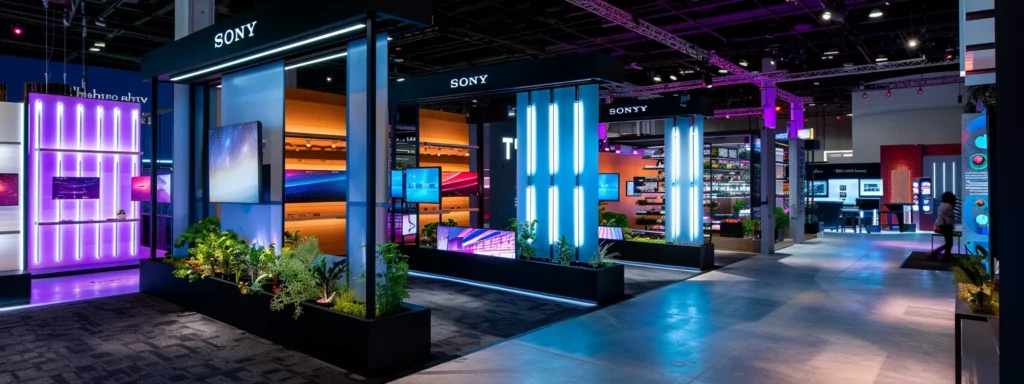
Energy-efficient lighting solutions offer diverse options for businesses seeking to reduce costs and improve sustainability. From LED technologies tailored to specific needs to smart systems enhancing efficiency, these solutions cater to various applications. This section explores fluorescent lighting advantages, solar-powered exterior options utilizing photovoltaics, and the latest advancements in lighting technology. It covers both high and low voltage systems, considering factors like shipping and installation to provide a comprehensive overview of energy-efficient lighting choices.
Compare LED Technologies for Various Business Needs
LED technologies offer diverse solutions for various business needs, from enhancing security with motion-activated lights to illuminating kitchens with energy-efficient fixtures. In Connecticut, businesses can benefit from Bluetooth-enabled LED systems that allow for remote control and scheduling, optimizing energy usage. These adaptable lighting solutions not only reduce electricity costs but also minimize the need for frequent electrical repairs, making them ideal for long-term cost savings and sustainability efforts.
Explore the Advantages of Fluorescent Lighting for Specific Applications
Fluorescent lighting offers specific advantages for businesses, particularly in applications requiring consistent, widespread illumination. These energy-efficient fixtures comply with the National Electrical Code and can be integrated with triac dimmers for adjustable brightness. Fluorescent lights are ideal for large spaces like warehouses or offices, providing uniform lighting that enhances productivity and pride in the workplace. When selecting fluorescent options, businesses should consider their energy account and potential long-term savings. For more decorative needs, such as lighting a chandelier, specialized fluorescent bulbs can offer an energy-efficient alternative to traditional incandescent options.
Identify Smart Lighting Systems That Enhance Efficiency
Smart lighting systems significantly enhance efficiency for businesses of all sizes. Companies like Leviton offer advanced solutions that integrate seamlessly with commercial electrical services, providing intelligent control over lighting in various settings, from offices to educational institutions. These systems can be particularly beneficial in areas such as staircases, where motion sensors and automated dimming can dramatically reduce energy consumption. By utilizing smart lighting technology, businesses can optimize their energy usage, reduce costs, and improve overall operational efficiency.
Examine Solar-Powered Lighting Options for Exterior Spaces
Solar-powered lighting options offer efficient solutions for exterior spaces, combining energy savings with environmental benefits. These systems utilize photovoltaic panels to convert sunlight into electricity, powering LED fixtures that consume fewer watts than traditional lighting. Residential electrical services can integrate solar lighting into existing landscapes, enhancing security and aesthetics while reducing energy costs. For businesses exploring sustainable options, solar-powered grow lights can support urban agriculture initiatives, demonstrating a commitment to innovation and sustainability:
| Solar Lighting Type | Application | Benefits |
|---|---|---|
| Path Lights | Walkways, Driveways | Safety, Energy Savings |
| Flood Lights | Parking Lots, Building Facades | Security, Cost Reduction |
| Decorative Fixtures | Gardens, Entryways | Aesthetics, Sustainability |
Learn About the Latest Advancements in Lighting Technology
Recent advancements in lighting technology have revolutionized industrial electrical services, offering businesses innovative solutions that balance energy efficiency with enhanced performance. These developments include tunable LED systems that adjust color temperature throughout the day, supporting employee well-being and productivity. Electricians now integrate smart sensors and controls into lighting installations, optimizing energy use and potentially reducing wage expenses through improved efficiency. Companies can contact professional electrical contractors like Markel Electric to explore how these cutting-edge technologies can benefit their operations and contribute to a competitive salary structure for their workforce:
- Tunable LED systems for circadian rhythm support
- Smart sensors for occupancy-based lighting control
- Network-connected fixtures for centralized management
- High-efficiency drivers for reduced energy consumption
- Human-centric lighting designs for improved workplace comfort
Assess the Impact of Energy-Efficient Lighting on Brand Image
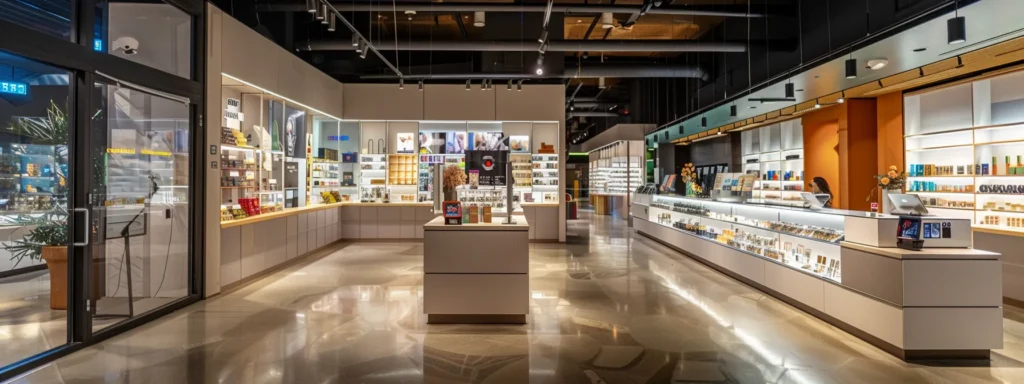
Energy-efficient lighting significantly impacts brand image, attracting eco-conscious customers and enhancing store aesthetics. Businesses benefit from green practices, positioning themselves as industry leaders. Electrical contractors play a crucial role in implementing these systems during renovations, including ceiling fan installations. The frequency of positive consumer perceptions regarding energy-saving initiatives underscores the importance of upgrading electrical systems for sustainability and brand reputation.
Understand How Sustainability Attracts Eco-Conscious Customers
Sustainability initiatives, such as energy-efficient lighting, attract eco-conscious customers by demonstrating a company’s commitment to environmental responsibility. Contractors with knowledge of these systems can install light fixtures that reduce heat output and energy consumption, enhancing a business’s green credentials. This approach not only improves service quality but also resonates with environmentally aware consumers, potentially increasing customer loyalty and brand reputation.
Explore the Role of Lighting in Enhancing Store Aesthetics
Energy-efficient lighting plays a crucial role in enhancing store aesthetics, creating an inviting atmosphere that attracts customers. Commercial spaces can utilize dimmers to adjust lighting levels, setting the perfect mood for different times of day or events. Licensed electricians can install modern, energy-efficient fixtures on ceilings, dramatically improving the visual appeal of retail environments. By strategically placing these fixtures, businesses can highlight products, create focal points, and guide customers through the space, all while maintaining energy efficiency.
| Business Aspect | Impact of Energy-Efficient Lighting |
|---|---|
| Energy Costs | 30-50% reduction |
| Customer Perception | Improved brand image |
| Employee Productivity | 10-15% increase |
| Maintenance Costs | Decreased by 40% |
Plan the Transition to Energy-Efficient Lighting Effectively
Transitioning to energy-efficient lighting requires careful planning and execution. This section outlines key steps: developing a phased implementation timeline, conducting site surveys for optimal solutions, creating a budget for gradual upgrades, collaborating with energy consultants, and evaluating post-installation performance. By following these strategies, businesses can effectively implement energy-efficient lighting systems, maximizing benefits and minimizing disruptions.
Develop a Timeline for Phased Implementation of New Lighting
Developing a timeline for phased implementation of new lighting is crucial for a smooth transition to energy-efficient systems. Businesses should start by prioritizing areas that will yield the most significant energy savings and impact. A typical timeline might span several months to a year, allowing for careful planning, budgeting, and minimal disruption to daily operations. Electrical contractors can help create a customized schedule that accounts for factors such as seasonal variations in energy usage and peak business periods, ensuring the installation process aligns with the company’s operational needs.
Conduct a Site Survey to Determine Optimal Lighting Solutions
Conducting a comprehensive site survey is essential for determining optimal energy-efficient lighting solutions. Professional electricians assess existing fixtures, wiring, and control systems to identify areas for improvement. They analyze lighting levels, color rendering, and energy consumption patterns to recommend tailored solutions that maximize efficiency and meet specific business needs. This process ensures that the proposed lighting upgrades align with the company’s goals, budget, and operational requirements.
Create a Budget That Accommodates Upgrades Over Time
Creating a budget that accommodates upgrades over time is crucial for businesses transitioning to energy-efficient lighting. Companies should allocate funds for initial assessments, prioritize high-impact areas for immediate upgrades, and plan for phased implementations. This approach allows businesses to spread costs over time while realizing incremental energy savings. Electrical contractors can help develop a strategic budget that balances upfront investments with long-term benefits, ensuring a cost-effective transition to energy-efficient lighting systems.
Collaborate With Energy Consultants for a Tailored Approach
Collaborating with energy consultants provides businesses with a tailored approach to implementing energy-efficient lighting solutions. These experts analyze a company’s specific needs, energy consumption patterns, and operational requirements to develop customized strategies. By working closely with energy consultants, businesses can identify the most effective lighting technologies and implementation methods for their unique circumstances. This collaboration ensures that the transition to energy-efficient lighting aligns with the company’s goals, budget constraints, and long-term sustainability objectives:
| Collaboration Aspect | Benefit |
|---|---|
| Energy Audit | Identifies areas for maximum impact |
| Technology Selection | Ensures optimal solutions for specific needs |
| Implementation Strategy | Minimizes disruption to operations |
| ROI Analysis | Validates investment decisions |
Evaluate Post-Installation Performance for Continuous Improvement
Evaluating post-installation performance is crucial for ensuring the long-term success of energy-efficient lighting systems. Businesses should implement regular monitoring and analysis of energy consumption, lighting quality, and user feedback to identify areas for improvement. This ongoing assessment allows companies to fine-tune their lighting solutions, maximize energy savings, and enhance workplace comfort. By tracking key performance indicators and comparing them to pre-installation baselines, businesses can quantify the benefits of their energy-efficient lighting upgrades and make data-driven decisions for future improvements:
- Monitor energy consumption patterns
- Assess lighting quality and uniformity
- Gather user feedback on comfort and productivity
- Compare actual savings to projected estimates
- Identify opportunities for further optimization
Conclusion
Energy-efficient lighting offers businesses substantial cost savings, environmental benefits, and improved employee productivity. By implementing these advanced lighting solutions, companies can significantly reduce their energy consumption, lower maintenance costs, and enhance their brand image as sustainable, forward-thinking organizations. The transition to energy-efficient lighting requires careful planning, including site surveys, phased implementation, and collaboration with energy consultants to ensure optimal results. With the potential for long-term financial gains, increased workplace safety, and positive environmental impact, investing in energy-efficient lighting is a smart decision for businesses of all sizes.